Whole-House Surge Protector Installation Cost: What You'll Actually Pay
The headline numbers: what most homeowners actually pay
For the standard job — a Type 2 SPD installed in an accessible main panel — expect $150 to $400 all-in. That figure has three parts: the device itself, which runs $50 to $250 for a quality Type 2 unit; the electrician's labour, typically $100 to $200 for a job that takes one to two hours; and in many cases a service-call fee of $100 to $200 that covers travel plus the first hour. When the fee covers the first hour, a simple install often lands in the lower half of the range.
Electrician hourly rates vary widely by region, from about $50 per hour in lower-cost markets to $130 or more in major metros, with some pros charging a higher first-hour rate of around $150 before dropping to a standard rate. Because this is a short job, the minimum or first-hour charge matters more than the hourly rate: two electricians at different hourly rates can quote nearly identical totals once the service-call minimum is applied. Always ask whether the quote is flat-rate or time-and-materials.
If you are layering protection — Type 2 at the panel plus Type 3 point-of-use units for the home theatre, office and network rack — budget an extra $25 to $100 per point-of-use unit, or roughly $150 to $400 for a well-equipped home. These plug in, need no installation, and are the second layer of the system commercial buildings have used for decades.
Cost by SPD type: the full comparison
The three SPD types exist for different jobs, and their prices reflect it. Type 2 devices mount in or beside your main panel and are the residential standard — this is what the $150–$400 headline figure covers. Type 1 devices sit ahead of the main disconnect, at the service entrance, and catch external spikes from utility switching and lightning transients before they enter your home; they cost more to buy and install because the work is at the service entrance and can involve the utility. Type 3 devices are plug-in units that protect individual pieces of gear and need no electrician at all.
| SPD type | Typical device cost | Installed all-in | What it covers |
|---|---|---|---|
| Type 1 (service entrance) | $50–$250 | $300–$800 | External spikes before power enters the home |
| Type 2 (main panel) | $50–$250 | $150–$400 | Panel-level defence for every circuit |
| Type 3 (point of use) | $10–$60 | $10–$60, no install | Individual electronics at the outlet |
The combination most electricians recommend for storm-prone or outage-prone areas is Type 1 plus Type 2 — belt and braces — which is why the $300–$800 combined figure appears in 2026 cost guides. NEC 2020 article 230.67 now requires surge protection (Type 1 or Type 2) for dwelling-unit services, so on new construction and service upgrades the device is increasingly part of the base scope rather than an add-on.
Five factors that move your quote up or down
Panel condition is the biggest wild card. An accessible, modern panel with spare breaker spaces keeps labour at the one-to-two-hour minimum. An old, crowded, or obsolete panel — think decades-old equipment with brittle wiring — can add an hour or more of careful work, and in extreme cases the electrician will recommend a panel upgrade first, which is a $1,000-plus project on its own. Send photos of your panel when requesting quotes so the electrician can price accurately.
The device's surge rating is the second lever. A basic 50–80kA unit is cheaper than a 108–140kA flagship, and higher ratings generally mean longer service life under repeated smaller surges. The price step between a solid mid-tier unit and a premium one is usually $50–$80 — modest against the labour cost, which is why many electricians quote the better device by default.
Subpanels, permits, and region round out the list. Homes with a main panel plus one or more subpanels may need a device at each panel, roughly doubling the device cost. Some jurisdictions require an electrical permit for panel-level work — typically $50–$150, usually rolled into the quote — and inspections add a return visit. Finally, labour markets differ: expect quotes at the top of every range in high-cost metros and after major storm events, when demand spikes and scheduling stretches to days rather than hours.
DIY or electrician? The honest cost comparison
On paper, the DIY route costs just the device: $60 to $150 for a quality unit plus a $10–$20 two-pole breaker. In practice, installing an SPD means working inside the breaker panel, and this is where the honest comparison ends. Even with the main breaker switched off, the service conductors feeding the panel from the meter remain live — there is no homeowner-accessible disconnect upstream, and those lugs can kill. One slip with a screwdriver near them is the difference between a $200 saving and a fatality.
That is why panel work is licensed-electrician territory for most homeowners. A professional also handles the details that affect performance: mounting the SPD as close to the panel as possible, keeping lead wires short and straight (long, coiled leads degrade protection), landing on the correct bus bars, and pulling the permit where required. They will also spot pre-existing hazards — scorched insulation, double-tapped breakers, aluminium branch wiring — that a DIY install would have sailed past.
If you want to trim the bill without touching the panel yourself, get three itemised quotes, ask whether supplying the device yourself lowers the total (it sometimes does, sometimes not, since pros warrant what they supply), and bundle the SPD install with other electrical work so the service-call fee covers multiple jobs. Saving $150 by skipping the electrician is the most expensive saving in home electrical work.
Is it worth it? The payback maths
The value case is straightforward because the alternative has known prices. A single HVAC control board replacement runs $400 to $1,200; a refrigerator control board $300 to $800; a home theatre receiver $500 to $2,000; a garage-door opener board or smart-panel module a few hundred more. One prevented failure typically pays for the entire layered system, and surge damage is not rare — utility restoration surges after outages and summer lightning do this work every year.
Two softer benefits sweeten the maths. Some insurers offer small premium discounts for whole-house SPD installation — ask your agent and keep the electrician's invoice plus photos of the install in your project folder. And the device itself lasts: MOVs degrade with each absorbed surge, so expect 5 to 10 years of service, with the green indicator LEDs telling you protection is still active. Amortised, that is roughly $20 to $60 a year for the panel device.
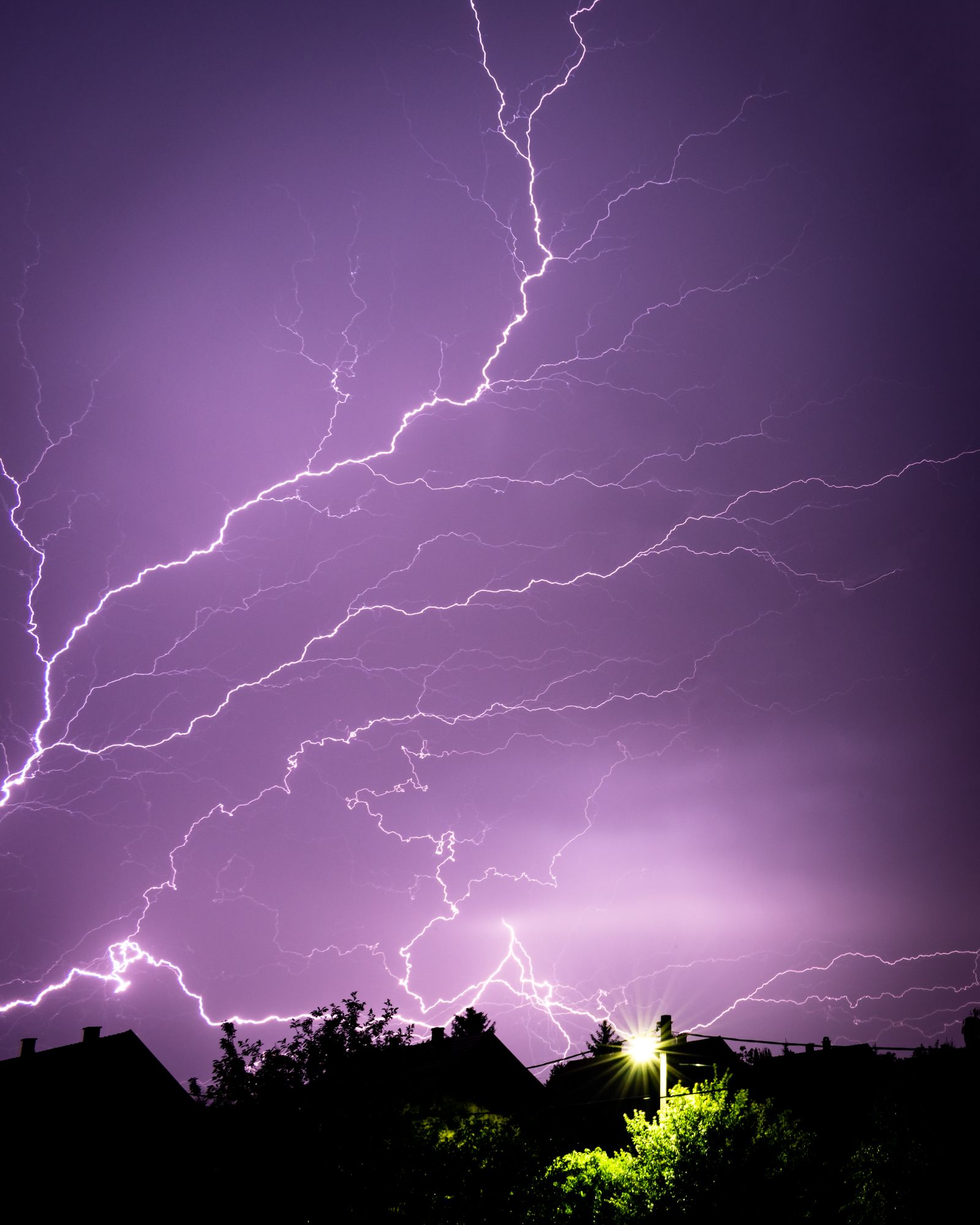
The ceiling on protection is worth stating plainly: no SPD stops a direct lightning strike, which is why layered protection (Type 1/2 at the panel plus Type 3 at the gear) is the strategy, and homes in extreme lightning zones should also look at a dedicated lightning protection system. But for the everyday surges that actually destroy most electronics — utility switching, restoration spikes, and large appliances cycling — a panel SPD is the cheapest insurance a homeowner can buy.
Frequently Asked Questions
How much does it cost to install a whole-house surge protector?
A standard Type 2 SPD installed in your main panel typically costs $150–$400 all-in in 2026, covering a $50–$250 device and $100–$200 of electrician labour for a one-to-two-hour job. Adding Type 1 service-entrance protection brings a combined project to roughly $300–$800. Plug-in Type 3 units for individual rooms cost $10–$60 each with no installation needed.
Can I install a whole-house surge protector myself?
The device itself is inexpensive ($60–$150), but the install happens inside your breaker panel, where the service conductors stay live even with the main breaker off — a lethal hazard for anyone untrained. For most homeowners this is licensed-electrician work, and many jurisdictions require a permit and inspection. Bundling the SPD with other electrical work is the smart way to save on the service-call fee.
Does a whole-house surge protector need a dedicated breaker?
Most Type 2 SPDs wire to a dedicated two-pole breaker, commonly 20–50A depending on the model, mounted in the first available spaces near the main. Some compact breaker-style units occupy the breaker slots themselves. Your electrician will confirm the correct breaker size from the SPD's installation instructions — it is part of the standard one-to-two-hour job.
How long does a whole-house surge protector last?
Typically 5–10 years. The metal-oxide varistors (MOVs) inside degrade slightly with every surge they absorb, and one large event can use them up entirely. The green indicator LEDs show protection is active — if a light goes out, the unit has sacrificed itself and needs replacing even though your power still works. Replace immediately after any major surge event like a nearby lightning strike.
Will a whole-house surge protector stop lightning damage?
It greatly reduces the risk but cannot stop a direct lightning strike — no SPD can. Whole-house SPDs are designed to divert and clamp transient overvoltages from utility switching, power-restoration surges, and nearby strikes. For maximum protection, layer a Type 1 or Type 2 panel device with Type 3 plug-in protectors at your expensive gear, and consider a dedicated lightning protection system in extreme-risk areas.
🛒 Parts you'll need for this project
Hand-picked gear that matches this guide — buying through these links supports the site at no extra cost to you.
- Eaton CHSPT2ULTRA Ultimate Surge Protection Device (Type 2, 108kA)The value benchmark this cost guide is built around: a 108kA Type 2 SPD that fits any brand panel and usually costs under $120 — the unit most electrician quotes are priced against.
- Square D HEPD80 Whole House Surge Protective Device (Type 1, 80kA)The budget reference point: an 80kA Type 1 SPD, NEMA 4X indoor/outdoor, often around $70 — handy for checking whether your electrician's device markup looks steep.
- Siemens FS140 Whole House Surge Protection Device (140kA)The premium pick from our buying guide: 140kA in a compact breaker-style package — worth pricing if your quote includes a higher-tier device.
As an Amazon Associate we earn from qualifying purchases.